Page 1 of 2
Habitat: Silver Bell Mountains
Posted: Thu Jul 31, 2014 6:39 pm
by Gee.S
Here is our first official habitat excursion to southern Arizona, with the exception of a fabulous visit a few months back in which Martin (Arizona Agave) was personally and expertly directing me toward some very specific quarry, including one Agave I would have likely never managed to locate unaided (A. parviflora).
This is great lower desert habitat, certainly similar to that found in central Arizona, but featuring some wonderfully unfamiliar flora. Among the day's highlights were encounters with both federally endangered flora
and fauna (wow!), and a new A. deserti v. simplex population at 2800', quite distant and quite distinct from two different populations encountered previously.
We were enticed to visit this area by vague reports of a wild A. americana v. expansa population. That may not sound too exciting, but if true could represent a sixth Agave domesticate species in the state. We have also heard reports of Hohokam ruins in the region, which might lend credence to the domesticate theory. Not surprisingly, we found neither ruins nor our expansa population, and may have to return to the region in order to ferret out these elusive denizens. For the record, we had already found one expansa population far north of here in red rock country, but its close proximity to human habitation leaves its source in serious doubt.

- Cylindropuntia fulgida v. fulgida
- Silver_Bell 001.JPG (156.37 KiB) Viewed 7816 times

- Echinocereus engelmannii
- Silver_Bell 003.JPG (146.15 KiB) Viewed 7816 times

- C. acanthocarpa, looking rather distinct from the variety found closer to home
- Silver_Bell 007.JPG (113.63 KiB) Viewed 7816 times
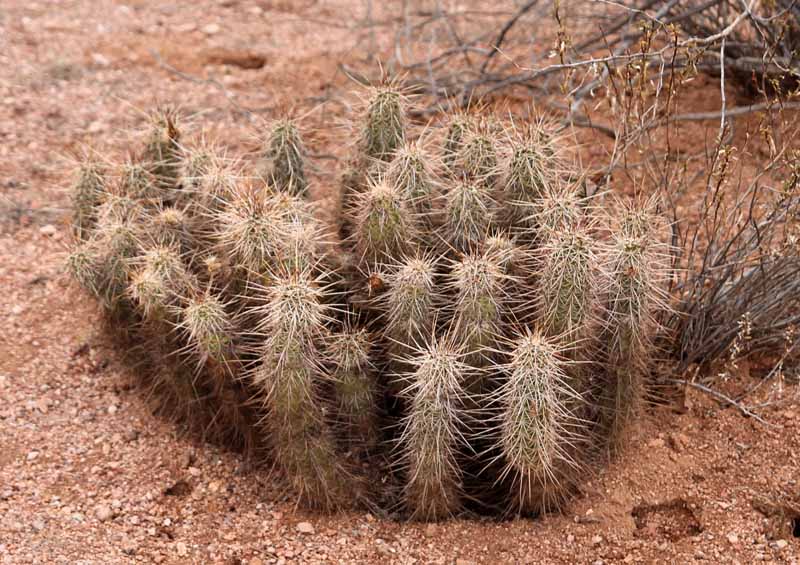
- E. fasciculatus
- Silver_Bell 014.JPG (126.81 KiB) Viewed 7816 times

- Ragged Top Mountain
- Silver_Bell 021.JPG (55.85 KiB) Viewed 7816 times

- Ironwood Tree?
- Silver_Bell 023.JPG (85.18 KiB) Viewed 7816 times

- Ferocactus wislizeni
- Silver_Bell 028.JPG (144.23 KiB) Viewed 7816 times

- F. wislizeni
- Silver_Bell 024.JPG (160.83 KiB) Viewed 7816 times

- F. wislizeni
- Silver_Bell 025.JPG (135.45 KiB) Viewed 7816 times
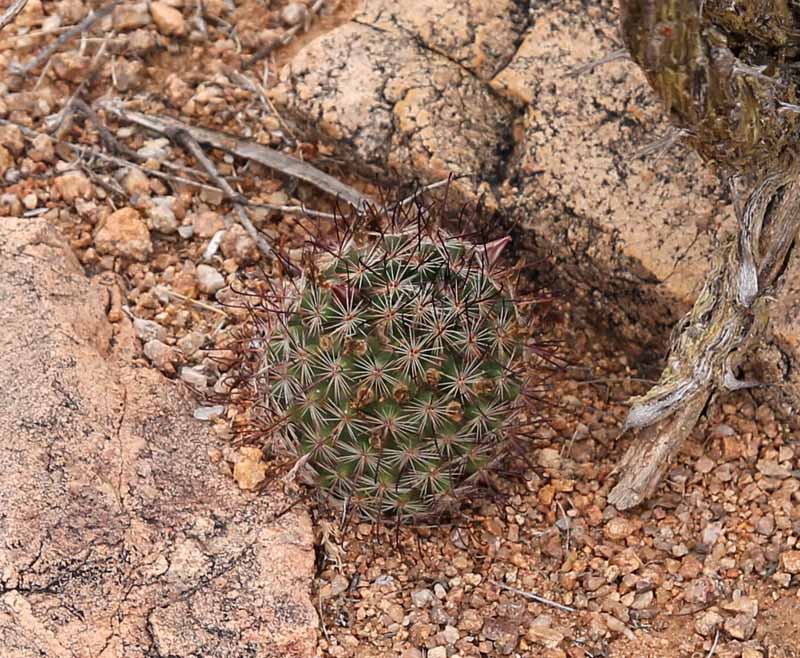
- Mammillaria grahamii
- Silver_Bell 030.JPG (153.67 KiB) Viewed 7816 times

- E. nicholii
- Silver_Bell 032.JPG (152.42 KiB) Viewed 7816 times
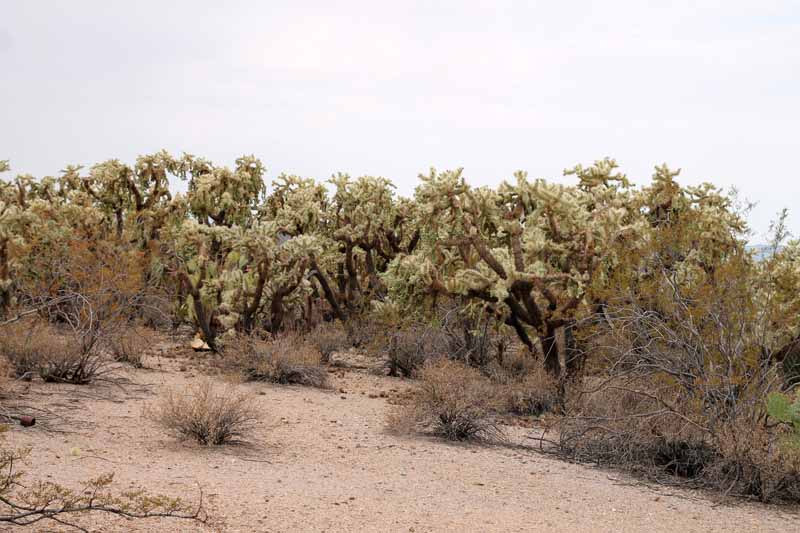
- C. fulgida v. fulgida
- Silver_Bell 033.JPG (87.52 KiB) Viewed 7816 times
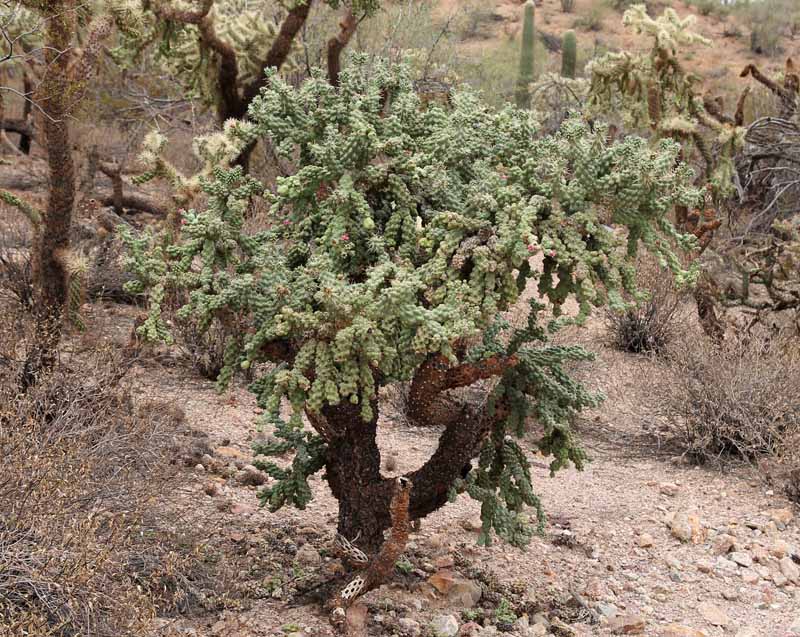
- C. fulgida v. mamillata
- Silver_Bell 034.JPG (163.63 KiB) Viewed 7816 times

- Silver Bell copper mine
- Silver_Bell 036.JPG (59.29 KiB) Viewed 7816 times
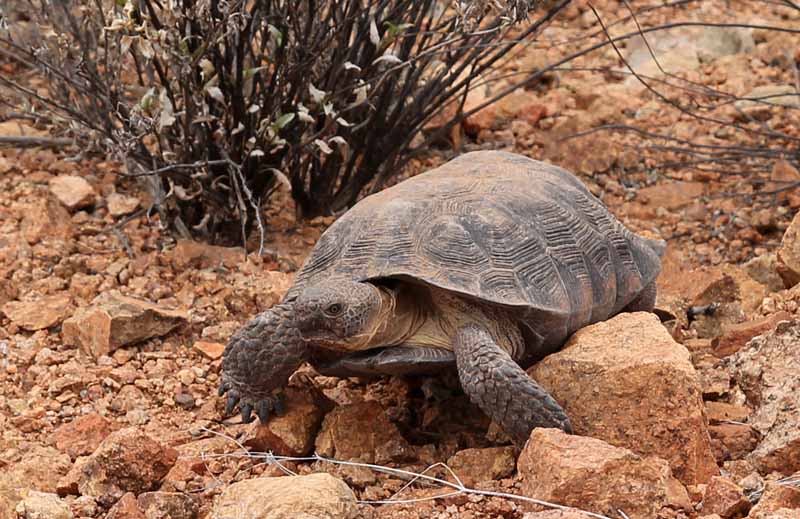
- Gopherus morafkai (Desert tortoise)
- Silver_Bell 037.JPG (112.9 KiB) Viewed 7816 times
Re: Habitat: Silver Bell Mountains
Posted: Thu Jul 31, 2014 6:50 pm
by Gee.S
I've done my best with cactus IDs, please don't hesitate to offer corrections.
Re: Habitat: Silver Bell Mountains
Posted: Thu Jul 31, 2014 7:13 pm
by KLC
The Agave deserti v. simplex are outstanding. Another example of a nice agave not in the trade.
Re: Habitat: Silver Bell Mountains
Posted: Thu Jul 31, 2014 11:41 pm
by Peterthecactusguy
Was the Ironwood tree's bark silver? and the first Mam ? I dont think it is grahamii but I could be wrong..
Re: Habitat: Silver Bell Mountains
Posted: Thu Jul 31, 2014 11:42 pm
by Peterthecactusguy
BTW nice spy of the Desert Tortoise I wish I could have been there for that.. great finds..

Re: Habitat: Silver Bell Mountains
Posted: Fri Aug 01, 2014 12:43 am
by Jkwinston
As usual, very interesting and informative. Thanks! Both fulgida looks collectable, as they present a different face to the one I know. Looking at the A deserti, I must do a post of the baby deserti, which I have, for confirmation.
Re: Habitat: Silver Bell Mountains
Posted: Fri Aug 01, 2014 8:31 am
by Gee.S
Peterthecactusguy wrote:Was the Ironwood tree's bark silver? and the first Mam ? I dont think it is grahamii but I could be wrong..
Bark was pretty dark. This was an unusual specimen, most were far more rag-tag. This area is in the heart of the Ironwood Forest National Monument, hence my ID attempt.

I do believe that little guy is M. grahamii, though it does have an unusual look about it. There are no other Mamm species reported in the region, and it does have the tell-tale long hooked spines.
Re: Habitat: Silver Bell Mountains
Posted: Fri Aug 01, 2014 12:42 pm
by Gee.S
Here is a short vid I shot of the Desert Tortoise.
[youtube]oJuISUC6UFs[/youtube]
Re: Habitat: Silver Bell Mountains
Posted: Sat May 16, 2015 7:19 pm
by Gee.S
Another strong storm swept through the state, so we decided to travel to where it stayed the driest, and that meant the Tucson area. It turned out to be a great choice, the road was a bit soggy in spots, but for the most part we were high and dry under bright and sunny skies. Our first stop brought us past the Silver Bell Mountains to the nearby Waterman's. And when I say "nearby", I mean you can stand on one and hit the other with a rock. We had previously discovered A. deserti v. simplex along a steep slope at Silver Bell, but found the Waterman population elusive until today. Along with several scantily populated, but blooming simplex sites, we also found Mammillaria grahami and Echinocactus horizonthalonis in bloom, so a colorful day. Hands down, the shocker of the day had to be our very first encounter with Aloes in habitat! Not sure what species (A. vera perhaps?), but we chanced upon a good-sized field managing quite nicely on their own in the Waterman's, apparent relics of a previous era in which miners inhabited the region.
Once the shock wore off, we left the area and headed across the Interstate toward the Picacho Mountains, where we found all manner of Hohokam Indian petroglyphs and Cylindropuntia fulgida in bloom.
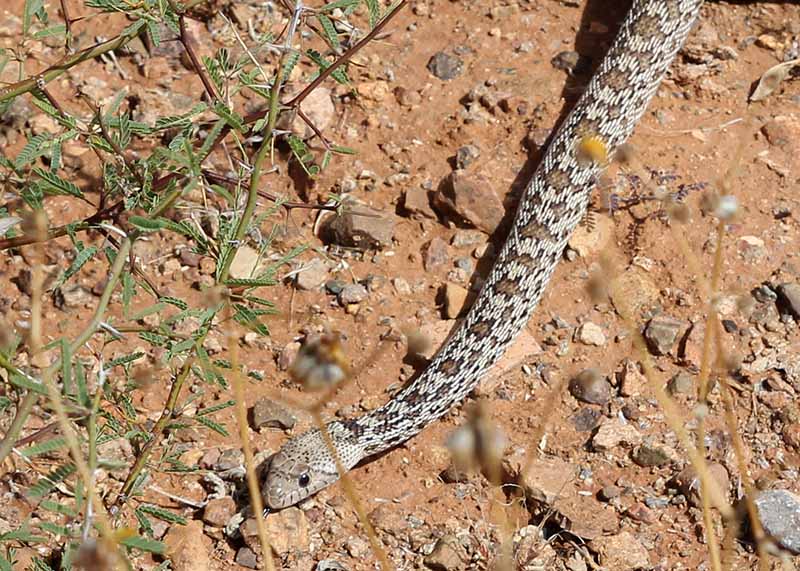
- Pituophis catenifer, nice and calm
- Picacho 014.JPG (144.38 KiB) Viewed 7730 times
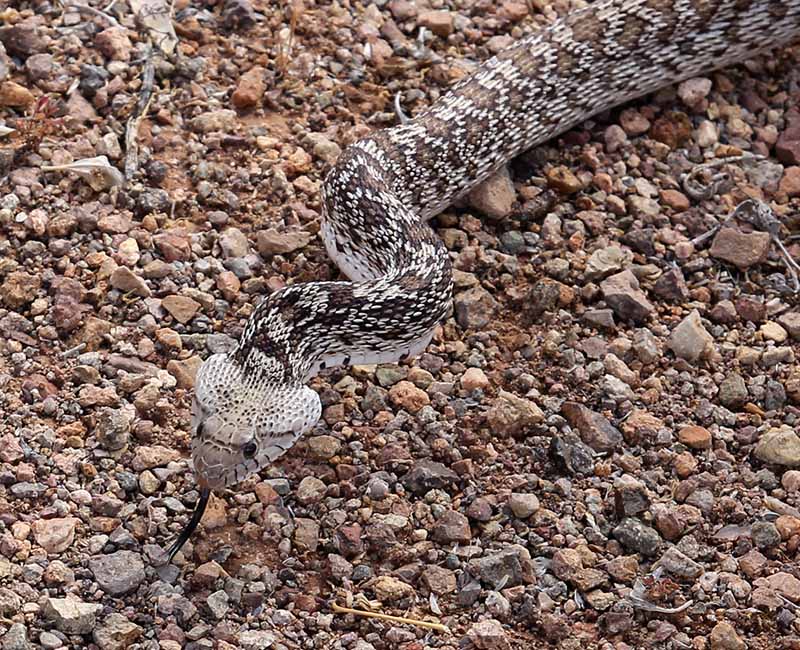
- Pituophis catenifer, highly agitated!
- Picacho 023.JPG (193.39 KiB) Viewed 7730 times
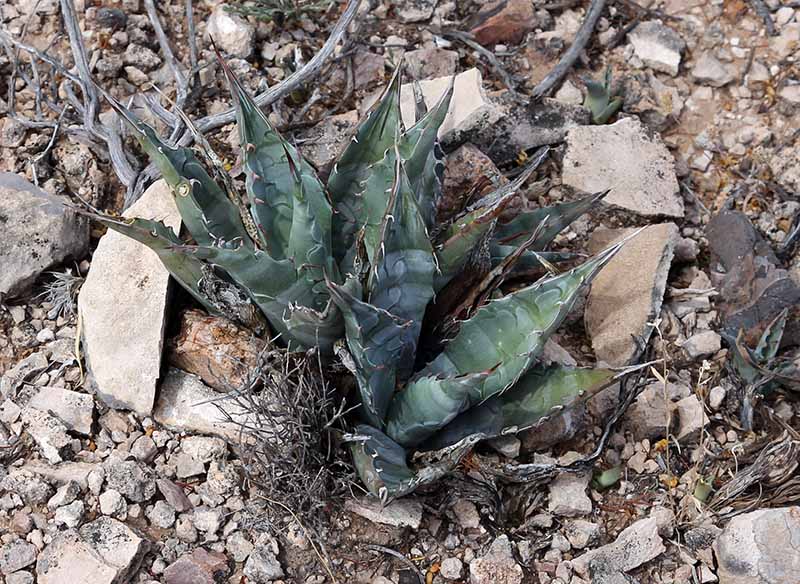
- A. deserti v. simplex
- Picacho 030.JPG (155.98 KiB) Viewed 7730 times
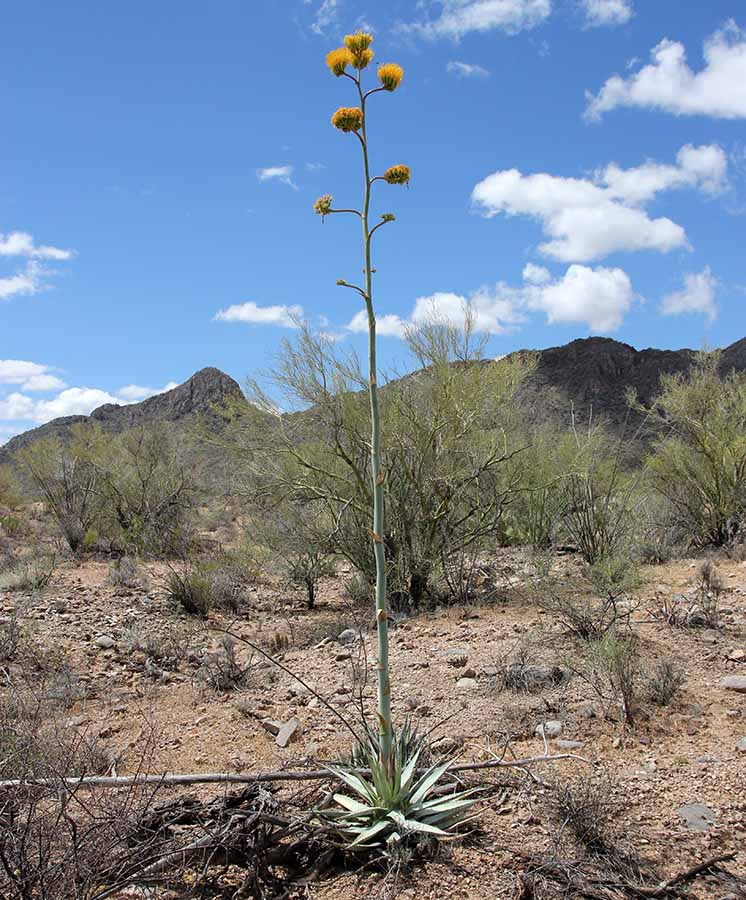
- A. deserti v. simplex
- Picacho 042.JPG (171.08 KiB) Viewed 7730 times

- A. deserti v. simplex
- Picacho 044.JPG (55.72 KiB) Viewed 7730 times

- Roadrunner
- Picacho 047.JPG (128.97 KiB) Viewed 7730 times
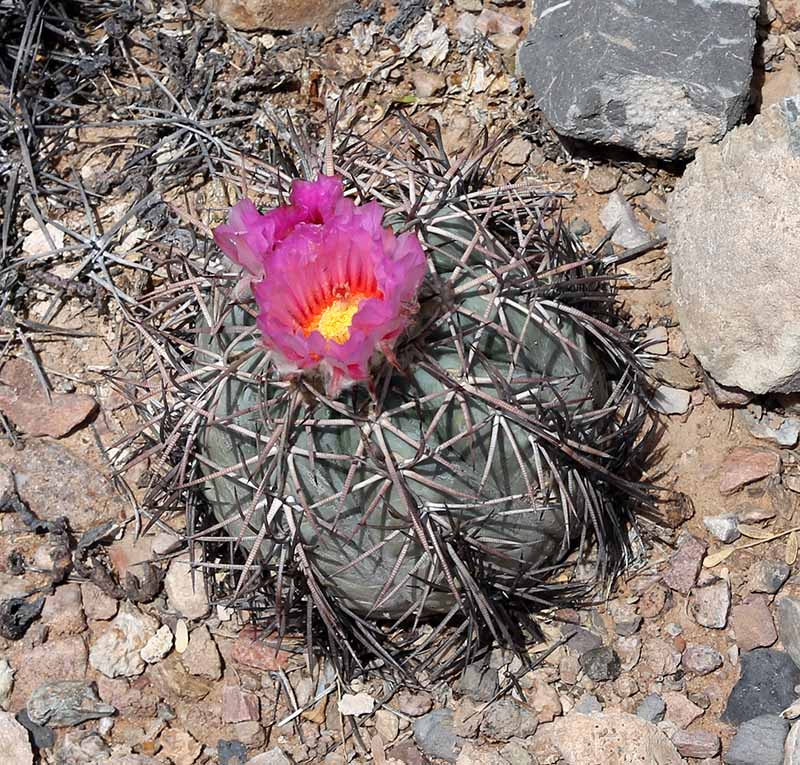
- Echinocactus horizonthalonis
- Picacho 060.JPG (204.11 KiB) Viewed 7730 times

- Mammillaria grahami
- Picacho 066.JPG (141.13 KiB) Viewed 7730 times

- E. horizonthalonis
- Picacho 067.JPG (164.74 KiB) Viewed 7730 times

- A. deserti v. simplex
- Picacho 071.JPG (204.37 KiB) Viewed 7730 times

- A. deserti v. simplex
- Picacho 073.JPG (40.21 KiB) Viewed 7730 times
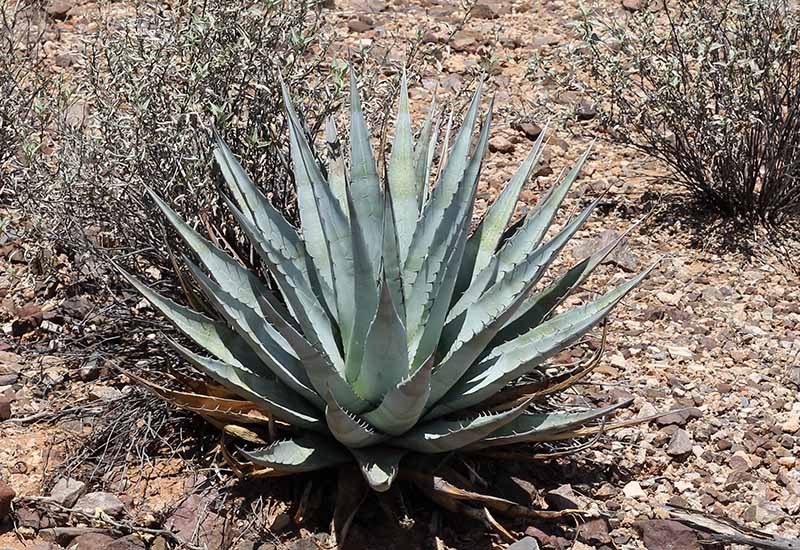
- A. deserti v. simplex
- Picacho 078.JPG (185.63 KiB) Viewed 7730 times

- A. deserti v. simplex
- Picacho 082.JPG (65.75 KiB) Viewed 7730 times

- A. deserti v. simplex
- Picacho 090.JPG (250.54 KiB) Viewed 7730 times
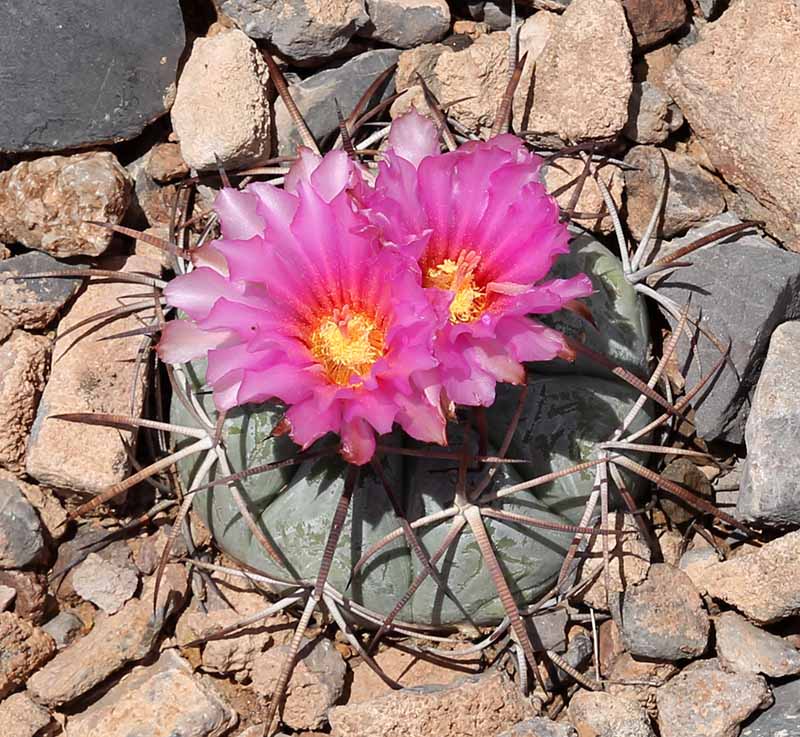
- E. horizonthalonis
- Picacho 094.JPG (148.95 KiB) Viewed 7730 times

- M. grahami
- Picacho 119.JPG (148.92 KiB) Viewed 7730 times

- Aloe vera
- Picacho 130.JPG (209.25 KiB) Viewed 7730 times

- Aloe vera
- Picacho 129.JPG (178.72 KiB) Viewed 7730 times
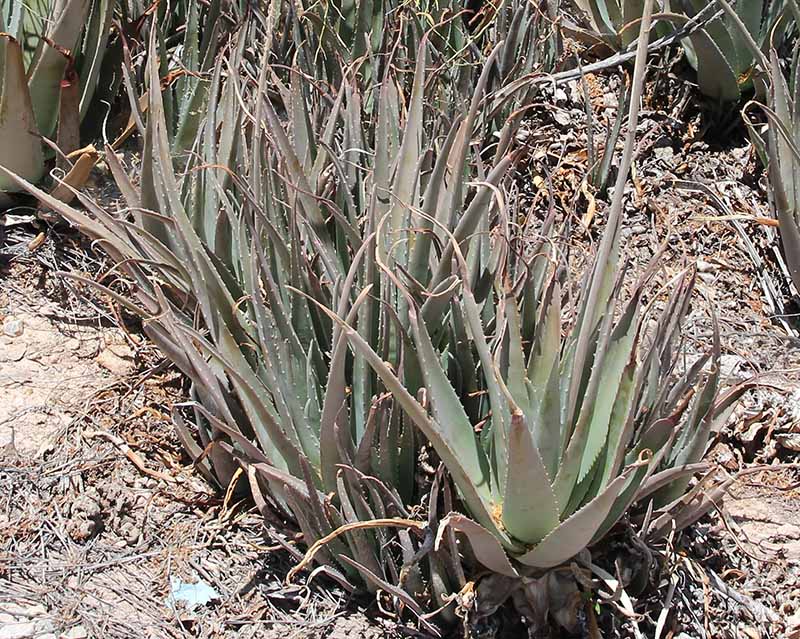
- Aloe vera
- Picacho 132.JPG (193.65 KiB) Viewed 7730 times
Re: Habitat: Silver Bell Mountains
Posted: Sat May 16, 2015 10:50 pm
by Peterthecactusguy
We were not really all that far from the the Florence/Kelvin highway aka SR 79 ... and along there is near the type local for Cylindropuntia x kelvinensis.. but.. that is C. spinosior x fulgida and I am not sure.. that is right for that plant.
Re: Habitat: Silver Bell Mountains
Posted: Sun May 17, 2015 9:36 am
by Gee.S
I suspect ploidy incompatibility between C. acanthocarpa and C. fulgida, because I find no reference of any such hybrids.
Re: Habitat: Silver Bell Mountains
Posted: Sun May 17, 2015 9:45 am
by Spination
That is amazing, if not shocking, that you stumbled across the feral population of Aloe. It does have an Aloe vera appearance, which would make sense as at least for practical reasons (medicinal value), that would have been a good choice to grow for people isolated in the area. What surprises me is that the Aloe vera (barbadensis) I have growing is very frost sensitive, pretty much ultimately turning to mush circa 32 degrees. I do understand though that while mine are well hydrated, the wild population plant's leaves would be much lower in the water storage department, perhaps in that way making them much more resistant to freezing temps. The plants pictured, as far as size, look to be several years old, and presumably the progeny of many years of self-propagation, thus clearly having withstood whatever lows occurred over a long period of time.
All in all, an amazing find.
Re: Habitat: Silver Bell Mountains
Posted: Sun May 17, 2015 12:31 pm
by Gee.S
Yeah we were pretty shocked. And keep in mind, the photos above in no way represent the extent of the population, which consists of hundreds of plants. There are two large groups, one more shaded than the other. Elevation is low at only 2500', but I'm certain the area is subject to soft freezes each and every winter, as well as occasional hard freezes that may see temps in the high teens. My guess is that enough rhizomes survive such hardships to repopulate the area after especially harsh winters. I know A. vera is an extremely aggressive offsetter that could quickly repopulate as long as the spark of life remains. I believe Martin knows the area very well; he may be able to provide some insight regarding the approximate age of this group.
Re: Habitat: Silver Bell Mountains
Posted: Sun May 17, 2015 1:40 pm
by Spination
I do have enough of them growing to have developed a sense, more or less, of the growth rate. It takes several years to approximate the size of the ones pictured. One of mine picked up late 2013 at a nursery closure sale approximates the size of the feral ones, but there again one would have to account for the difference in hydration. Mine get regular watering, those wild ones likely not very much, suggesting a slower growth rate and more age. My largest by virtue of it's habitation in an out of the way corner of the greenhouse is about 29" high from the soil line with a wing span of 4', with individual leaves ranging slightly more and less than 24". That plant is circa 10 years of age and has had protection from every frost and freeze endured hereabouts. I agree with your speculation that any freeze hard enough to decimate the group, subsequently repopulating is due to rhizome activity. However, it does seem apparent that either the area has been spared from more extreme lows for several years, or that group is somehow more resistant to the cold than the garden variety Aloe vera. If the latter is the case, I expect that low water storage in the leaves due to complete dependence on meager rainfall could be the ultimate difference. Another theory would be adaptation...survival of the fittest and the evolution of a more cold tolerant variety.
PS. Due to the unique situation of those feral Aloes, I think those pics would make a good addition in the gallery for Aloe vera.

re: unexpected location with seemingly unlikely or unsuitable climate.
Re: Habitat: Silver Bell Mountains
Posted: Sun May 17, 2015 4:38 pm
by Peterthecactusguy
what was the elevation there? it might not get below freezing often, after all some plants that don't like cold very much are around, including in Palo verdes, ironwoods, and of coruse those aloes.. plus Cylindropuntia fulgida is in the area as well. (it can handle some cold but is not very hardy, same with saguaros, which can also take some below freezing temps but do not like being super cold ... it damages them )
Re: Habitat: Silver Bell Mountains
Posted: Sun May 17, 2015 10:41 pm
by Arizona Agave
The aloes were put there buy the guys who use to work the security at the trailer that used to be there. Harlow, I can't remember his last name, he use to own the mine that is on the back of the Waterman's. It is now owned by Pioneer landscaping I think, But that's were they came from, there are also some in the town site as well. Martin
Re: Habitat: Silver Bell Mountains
Posted: Mon May 18, 2015 3:55 pm
by Gee.S
Thanks Martin! How have they been there unattended? Twenty years? Thirty years? Longer?
Re: Habitat: Silver Bell Mountains
Posted: Mon May 18, 2015 4:42 pm
by Melt in the Sun
The aloe vera that I've seen doesn't turn to mush at 32 degrees. I don't grow it myself but have seen many neighborhood plants get damaged in the mid 20s. In 2009 (high teens) the rosettes all died, but even then the centers of the clumps didn't die all the way to the ground. I'm more impressed in that they aren't irrigated there, and I haven't seen any survive without extra water.
Re: Habitat: Silver Bell Mountains
Posted: Mon May 18, 2015 5:09 pm
by Spination
Thanks, good info. That makes me think that mine have been getting too much water late in the year. I'm going to have to fix that.
PS / Edit - I'm not seeing Aloe vera or barbadensis on the Aloe Cold Hardy list for min. temperature references. My experience is that it's the most troublesome Aloe I have when it comes to cold damage. On the other extreme is Aloe striatula which I've found to be virtually indestructible hereabouts.
I was able to find this link:
http://homeguides.sfgate.com/can-plant- ... 67996.html" onclick="window.open(this.href);return false;
It gives a temp of 40 degrees as the cutoff for feasible outdoor planting, which is certainly much higher than the temps of freezing I had in mind as the point of cold damage I've experienced. It also confirms that they should not be watered in winter (although rain would have something to say about that), presumably because increased water storage results in increased susceptibility to cold damage. While I'm sure that one link is not the final word or most expert source for that information, it does seems to support my own experience growing this plant regarding this aloe not being particularly suited to freezing temps. Actually, yes...once the leaves have endured cold damage, the leaves subsequently turn into a mushy mess.
Re: Habitat: Silver Bell Mountains
Posted: Mon May 18, 2015 9:10 pm
by Arizona Agave
Ron, Harlow sold out in 1988, but the security trailer was gone about two years before that, I think towards the end there he did not care if people when up to his mines or not. Martin
Re: Habitat: Silver Bell Mountains
Posted: Tue May 19, 2015 9:40 am
by mcvansoest
Melt in the Sun wrote:The aloe vera that I've seen doesn't turn to mush at 32 degrees. I don't grow it myself but have seen many neighborhood plants get damaged in the mid 20s. In 2009 (high teens) the rosettes all died, but even then the centers of the clumps didn't die all the way to the ground. I'm more impressed in that they aren't irrigated there, and I haven't seen any survive without extra water.
I am with MitS on this, more surprised/impressed they survived without some reasonable irrigation in the really hot months than the survival of frost. I have a pretty large clump in my front yard that has taken low-mid 20s with some leaf (tip) damage but other than it was just fine.
Re: Habitat: Silver Bell Mountains
Posted: Tue May 19, 2015 9:56 am
by Arizona Agave
That Silverbell area gets cold then Tucson does. Martin
Re: Habitat: Silver Bell Mountains
Posted: Wed May 20, 2015 10:08 am
by Gee.S
mcvansoest wrote:Melt in the Sun wrote:The aloe vera that I've seen doesn't turn to mush at 32 degrees. I don't grow it myself but have seen many neighborhood plants get damaged in the mid 20s. In 2009 (high teens) the rosettes all died, but even then the centers of the clumps didn't die all the way to the ground. I'm more impressed in that they aren't irrigated there, and I haven't seen any survive without extra water.
I am with MitS on this, more surprised/impressed they survived without some reasonable irrigation in the really hot months than the survival of frost. I have a pretty large clump in my front yard that has taken low-mid 20s with some leaf (tip) damage but other than it was just fine.
I'm impressed by both. As Martin suggested, these guys have been out there for nearly 30 years, and they're managing very well. The size, density, and overall health of the more shaded bunch is no different from the other. The only difference is leaf color. The plants getting more sun had brownish leaves compared to the pale green of the shaded bunch.
Re: Habitat: Silver Bell Mountains
Posted: Wed May 20, 2015 11:36 am
by Spination
Bottom line is I think the colony is a great example of this species' durability and cold tolerance in a natural but xeric habitat. It shows me that my potted specimens which are very green and succulent receiving regular if not too much irrigation, are more fragile and less cold tolerant than the feral colony pictured on this thread. It's great information in it's own right and the addition of replies with experience of these plants in Arizona landscape situations adds to the quality and scope of information.
I'm very amazed and impressed with the find, and it helps me understand more about the plants I'm growing, and what could be possible with less fuss and care.